Guide to automated compliance on AWS
by Vivian Delplace, Co-Founder
Managing compliance across multiple AWS accounts used to mean endless spreadsheets, manual audits, and sleepless nights before regulatory reviews. If you've ever scrambled to gather compliance evidence or worried about security gaps across your cloud infrastructure, you're not alone.
At Necko Technologies, we've implemented governance frameworks for over 50 organizations, and we've learned that the key to successful AWS compliance isn't just having the right tools—it's having them work together seamlessly. Here's how we've transformed compliance from a reactive headache into a proactive advantage.
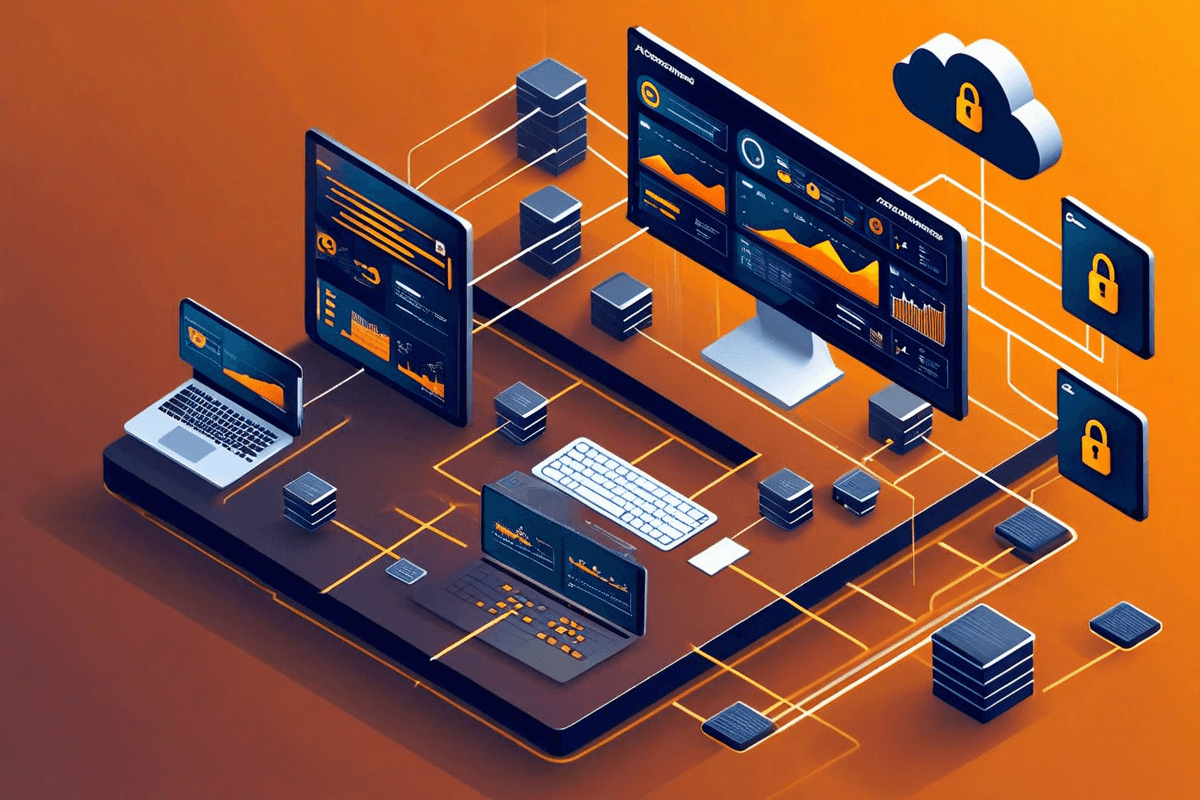
The Reality of Multi-Account Compliance
Picture this: You're managing 15 AWS accounts across development, staging, and production environments. Each account has dozens of resources, and your auditor wants proof that everything follows security best practices. Without automation, you're looking at weeks of manual work, screenshots, and crossed fingers.
This scenario plays out in organizations every day. Teams spend countless hours on compliance tasks that could be automated, while real security risks slip through the cracks because manual processes simply can't keep up with cloud-scale operations.
What Automated Governance Actually Means
When we talk about automated governance, we mean your AWS environment continuously monitors itself and tells you exactly what needs attention. Instead of quarterly compliance sprints, you get real-time visibility into your security posture across every account and resource.
Here's what this looks like in practice:
- Continuous Monitoring: Every resource is automatically checked against security policies as soon as it's created
- Preventive Controls: High-risk actions are blocked before they can create security issues
- Centralized Visibility: One dashboard shows compliance status across your entire AWS organization
- Audit-Ready Reporting: Comprehensive evidence collection happens automatically in the background
Your Governance Dashboard: The Single Source of Truth
The heart of any governance framework is centralized visibility. We build this using AWS Security Hub as your organizational command center, giving you a bird's-eye view of compliance across all accounts.
When you log into your Security account and navigate to AWS Security Hub, you'll see your entire organization's security posture at a glance. The dashboard aggregates findings by resource, account, or application—whatever view makes sense for your team's workflow.
The color-coded system makes triage simple:
- Green: Everything's compliant
- Yellow: Minor issues that need attention
- Red: Critical problems requiring immediate action
- Blue: Areas where data collection is still in progress
You can drill down from high-level summaries to specific resources with just a few clicks. Need to see which EC2 instances in your production account have security group issues? Two clicks and you're there.
AWS Config: Your Always-On Compliance Engine
Behind the scenes, AWS Config Rules do the heavy lifting. When you enable a security standard like the AWS Foundational Security Best Practices or CIS AWS Foundations Benchmark, Config automatically deploys the corresponding rules across your organization.
These rules continuously evaluate your resources against policies. Create an S3 bucket without encryption? Config flags it immediately. Launch an EC2 instance with overly permissive security groups? You'll know within minutes, not months.
The beauty of this approach is that compliance checking happens automatically as your infrastructure evolves. No more quarterly audits that find problems from three months ago—you catch issues while they're still easy to fix.
Service Control Policies: Your Safety Net
Sometimes the best security control is preventing risky actions entirely. Service Control Policies (SCPs) act as guardrails across your AWS organization, ensuring certain actions simply can't happen, regardless of user permissions.
We typically implement policies that:
- Restrict regions: Prevent resource creation outside approved geographic areas
- Limit organizational changes: Protect critical organization settings from accidental modification
- Block high-risk services: Prevent use of services that don't align with your security requirements
These policies can't be overridden by individual users or roles, creating consistent security enforcement across your entire organization. If someone tries to launch resources in an unapproved region, they'll get a clear "not authorized" message instead of creating a compliance issue.
CloudTrail: Your Complete Audit History
Every action in your AWS environment gets logged automatically through CloudTrail. This isn't just about compliance—it's about understanding exactly what's happening in your infrastructure and having the evidence to prove it.
When auditors ask for proof that only authorized personnel accessed sensitive systems, you can provide detailed logs showing who did what, when, and from where. When you need to investigate a security incident, you have a complete timeline of events leading up to the issue.
The logs are centrally stored and easily searchable through the CloudTrail console or Amazon Athena for more complex queries. Need to find all actions performed by a specific user last month? A simple filter gives you the complete picture.
Making Compliance Work for Your Team
The most sophisticated governance framework is useless if your team can't use it effectively. We design our implementations around real workflows, not theoretical best practices.
For Security Teams: Centralized dashboards provide the big picture while detailed findings enable deep investigation. Automated evidence collection means audit preparation happens continuously, not in frantic pre-audit sprints.
For Operations Teams: Clear compliance status helps prioritize remediation work. Integration with existing tools means governance fits into current workflows rather than creating new overhead.
For Development Teams: Early feedback on compliance issues prevents problems from reaching production. Clear policy explanations help developers understand the "why" behind security requirements.
For Leadership: Executive summaries provide compliance posture visibility without technical complexity. Trend analysis shows whether security is improving over time.
Getting Started: The Practical Path Forward
Implementing governance doesn't have to be overwhelming. We recommend starting with foundational security standards and expanding based on your specific requirements.
Begin with AWS Foundational Security Best Practices—these cover the most common security issues we see across organizations. Add CIS AWS Foundations Benchmark for more comprehensive coverage. Industry-specific standards can be layered on as needed.
The key is starting simple and building confidence. Once your team sees the value of automated compliance checking, expanding coverage becomes a natural next step rather than a daunting project.
Beyond Compliance: The Strategic Advantage
Organizations that master automated governance don't just meet compliance requirements—they gain competitive advantages. Faster deployment cycles become possible when security is built-in rather than bolted-on. Developer productivity increases when compliance feedback happens in real-time rather than at the end of projects.
Most importantly, you can focus on building great products instead of managing compliance spreadsheets. When governance runs automatically in the background, your team's energy goes toward innovation rather than administration.
Your Next Steps
Automated governance transforms compliance from a necessary burden into a strategic capability. The frameworks we've outlined here provide the foundation for scalable, maintainable security across any AWS organization.
Ready to move beyond manual compliance processes? The tools and patterns described here represent proven approaches that work across industries and organization sizes. The question isn't whether you need automated governance—it's how quickly you can implement it.
Contact us to help you implement governance at scale !